What instrument should a beginner start with? For most children and adults with no musical background, piano is the easiest entry point, because it shows you exactly what you’re doing – hit a key, hear a note, see how it relates to the ones around it – in a way that string and wind instruments simply can’t.
That’s a starting recommendation, not a rule. The right first instrument depends on age, patience for an unforgiving learning curve, and, frankly, what actually appeals to the person who has to practise it.
Why Piano Tends to Win as a First Instrument
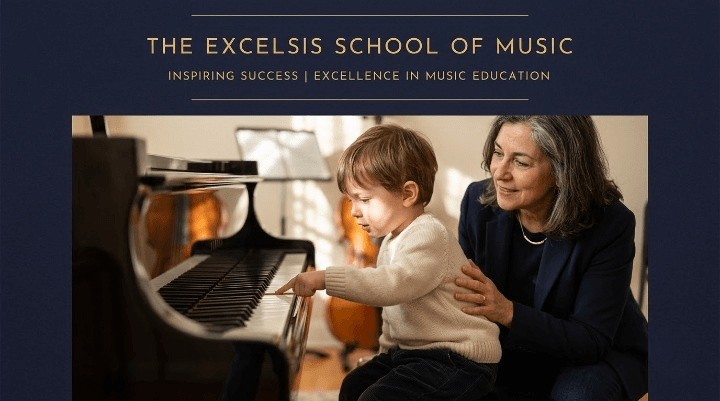
On piano, pressing a key produces a correct-sounding note every single time. There’s no embouchure to get wrong, no bow angle to fight, no risk of a screech on the first attempt. That immediate, reliable feedback makes early practice far less discouraging, which is a big part of why so many teachers, ourselves included, recommend it as a foundation instrument even for children who eventually want to play something else.
Piano also lays out music theory visually. Scales, chords and intervals sit in front of you on the keyboard in a way that makes later learning – on violin, guitar, whatever comes next – considerably easier to grasp.
Where Other Instruments Make Sense First
That said, piano isn’t automatically right for everyone. A child who’s drawn to a specific instrument, a violin they saw at a concert or a flute a friend plays, will often practise it more willingly than a piano chosen for them on paper. Enthusiasm for the instrument in front of you tends to outweigh which one is technically the gentlest introduction.
Wind instruments like flute generally suit slightly older beginners, since they need enough lung capacity and jaw control to get a clean sound, which is one reason our flute workshops tend to draw children from around age seven or eight upwards rather than very young beginners.
| Instrument | Typical Starting Age | Learning Curve | Best For |
|---|---|---|---|
| Piano | 4+ | Gentle start, deep long-term ceiling | Building theory and reading skills early |
| Violin | 5+ | Steep at first – pitch and bow control take time | Children with patience and a good ear |
| Flute | 7–8+ | Moderate, needs breath and jaw control | Older children with enough lung strength |
| Guitar | 6+ | Moderate, finger strength develops over weeks | Children drawn to a more portable instrument |
A Simpler Way to Decide
If you’re choosing for a child, the most reliable signal isn’t an age chart, it’s which instrument they keep pointing at or asking about. Motivation carries a beginner through the frustrating early weeks far more effectively than the objectively easiest option ever will. If nothing has caught their attention yet, piano remains the safest starting point precisely because of how directly it teaches the fundamentals.
For very young children, our Dalcroze Eurhythmics music and movement classes are a useful in-between step, building rhythm and listening skills through movement before any instrument decision needs to be made at all. You can see the full range of age groups and starting points on our programmes page.
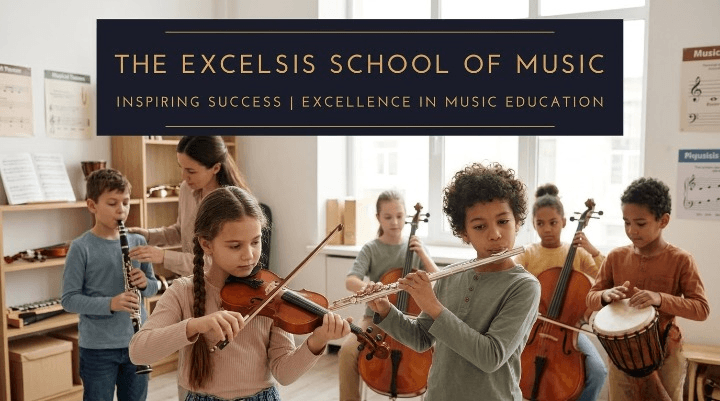
Whatever the instrument, the same rule from earlier holds: consistency in practice matters more than which one you picked. A committed beginner on the “harder” instrument will overtake an inconsistent one on the “easier” instrument within a year.
Not Sure Which Instrument Suits Your Child?
Come along to a taster session across piano, flute and our group programmes, and let them try before you decide.
Book a Taster Session