The difference between the Kodály and Suzuki method comes down to what each one asks a child to do first: sing and internalise music before touching an instrument, or start playing by ear from lesson one, surrounded by constant listening at home.
Both were developed in the twentieth century, both take a dim view of handing a five-year-old a page of notation and expecting understanding to follow, and both have shaped how children’s music education looks around the world. Where they part ways is in the order things happen and how much they lean on the family at home.
The Kodály Method, in Practice
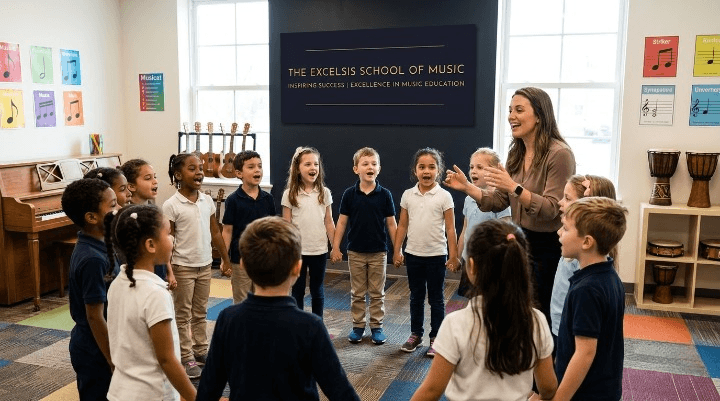
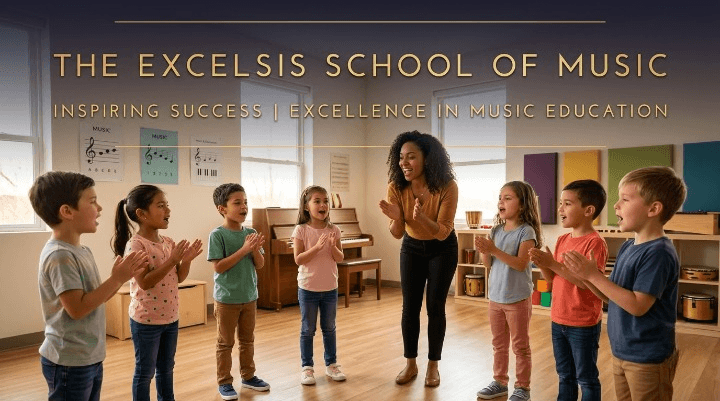
Zoltán Kodály, a Hungarian composer, built his approach around the voice. Singing comes first – folk songs, solfège, rhythm games – and instrumental playing and notation are introduced once a child can already hear and reproduce what’s being asked of them. The logic is straightforward: you shouldn’t be reading a language you can’t yet speak.
Classes tend to be group-based and sequential, moving a class through the same musical concepts together, a little like a school curriculum. It suits children who respond well to structure and enjoy singing, and it builds a genuinely strong internal sense of pitch and rhythm before an instrument is ever involved.
The Suzuki Method, in Practice
Shinichi Suzuki took a different reference point: how children learn their native language. Nobody teaches a toddler grammar before they speak. Suzuki applied the same idea to violin and piano, having very young children start playing by ear, surrounded by recordings of the pieces they’re learning, with a parent often attending every lesson and practising alongside them at home.
Notation arrives later, once playing is already comfortable. The method depends heavily on repetition, constant listening, and a parent who’s genuinely involved, which is why it tends to work best for families who can commit to that level of daily support, particularly with younger children.
| Aspect | Kodály Method | Suzuki Method |
|---|---|---|
| Starting point | Singing and ear training | Playing by ear from lesson one |
| Notation introduced | After solid aural foundation | After playing is established |
| Typical setting | Group classes | Mostly one-to-one, some group |
| Parent involvement | Low to moderate | High – often attends every lesson |
| Best suited to | Children who enjoy singing and structure | Younger children with a committed parent at home |
Which One Actually Matters More: the Label or the Teacher
In practice, few schools run a pure version of either method, and that’s not a compromise so much as common sense. What both approaches agree on, and what matters far more than the label, is that young children learn music the way they learn to talk: by hearing it constantly, joining in before they fully understand it, and being corrected gently rather than lectured.
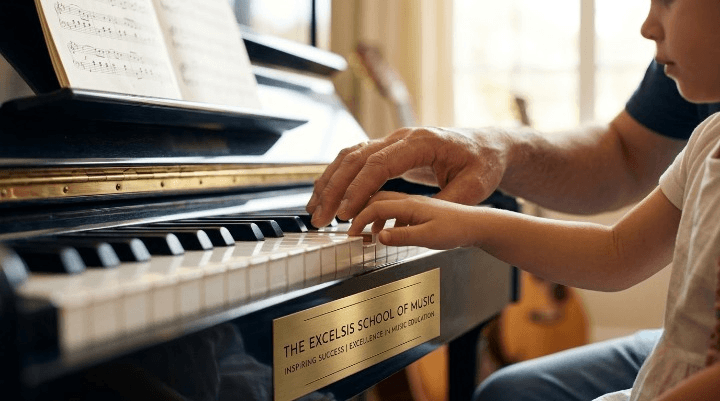
Our own group piano lessons borrow from both traditions: plenty of listening and singing before notation is pushed, grouped by starting point rather than age alone, with an eye on the same steady pacing that makes Kodály classes work well as a group. You can see how classes are structured across ages on our programmes page.
If you’re choosing between schools rather than methods, ask what a first term actually looks like for a beginner, how much singing or listening happens before notation, and how the teacher handles a child who’s struggling to keep up. The answers will tell you more than whichever name is printed on the prospectus.
See the Kodály and Suzuki Method in Action
Come along to a trial class and hear how singing, listening and playing come together in our lessons from the very first week.
Book a Trial Class