
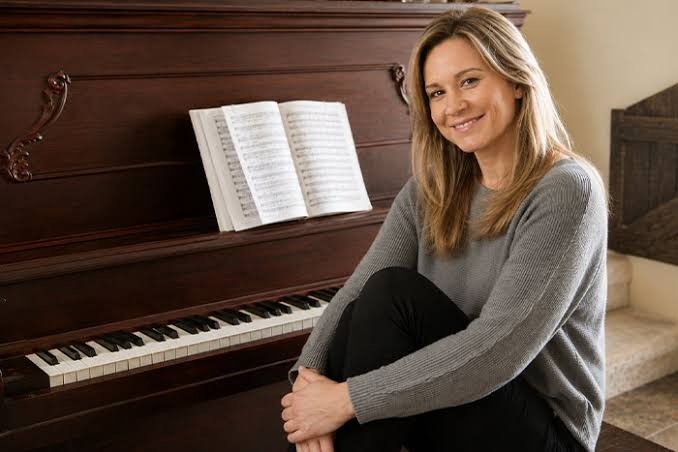
If you’ve been searching for piano classes for adults in London, chances are one of two things is true. Either you never got round to learning as a child and it’s been on your mind for years, or you played once, stopped, and now you’re wondering whether it’s worth picking back up.
Both are good reasons to start. Neither requires any previous experience.
At Excelsis Music, we teach adult beginners and returners every week from our school in Southgate, North London (N14), and the pattern we see is consistent: the adults who commit to lessons almost always wish they’d started sooner. This guide covers what to expect, how lessons are structured, and how to choose the right school if you’re comparing your options.
Why More London Adults Are Taking Up Piano
Piano has quietly become one of the most popular things busy Londoners do with their evenings and weekends. Part of it is practical — unlike a lot of hobbies, you don’t need a team, a booking, or good weather. Part of it is that after a day spent on a laptop or in meetings, sitting down at an instrument that demands your full attention is genuinely restful.
There’s also a wellbeing angle worth mentioning. Learning an instrument as an adult has been linked to improved memory and sustained attention, and organisations like the Royal College of Music regularly highlight the cognitive and emotional benefits of active music-making at any age. You don’t need to care about the research to enjoy the lessons, but it’s a nice bonus that this particular hobby is doing your brain some good while you’re having fun.
The Myths That Stop Adults From Starting
We hear the same three objections on almost every enquiry call. Here’s the honest answer to each.
“I’m too old to start.” There’s no cut-off point for learning piano. Adult students learn differently to children — often faster in some respects, because you already understand rhythm, counting, and how to practise something deliberately. What matters is showing up consistently, not the age on your passport.
“I don’t have any natural talent.” Almost nobody does, at the beginning. Talent is usually just an early head start that consistent practice erases within a term or two. Our teachers are far more interested in your willingness to have a go than in any innate gift.
“I don’t have time.” This is the most common concern we hear, and the most solvable. A single weekly lesson plus 15–20 minutes of practice a few times a week is enough to make real progress. We cover this properly in our guide to fitting piano lessons around a London schedule, including evening, weekend, and online options.
If the age question is the one holding you back specifically, we’ve written a full piece on it: Is It Too Late to Learn Piano as an Adult?
What to Expect in Your First Adult Piano Lesson
Your first lesson isn’t a test. It’s a conversation, followed by some hands-on time at the keyboard.
A typical first session covers:
- A chat about your goals — whether that’s playing your favourite songs, working towards a graded exam, or simply having something creative to do outside of work
- An honest assessment of where you’re starting from, even if that’s absolute zero
- Basic hand position and posture, so you’re building good habits from day one
- Your first few notes or a simple pattern, so you leave having actually played something
Teachers at Excelsis Music are all DBS-checked and experienced with adult beginners specifically, which matters more than it sounds. Teaching an adult who’s nervous about “getting it wrong” is a different skill to teaching a seven-year-old, and it’s worth asking any school how much adult-specific experience their teachers have.
1-to-1 or Group Lessons: Which Is Right for You?
This is one of the first decisions you’ll make, and there’s no universally correct answer.
1-to-1 lessons move at your pace entirely. If you have specific goals — a piece you want to nail for a wedding, an exam you’re working towards, or you simply prefer not to play in front of others yet — this is usually the better fit.
Group lessons add a social element that a lot of adult learners actually prefer. Learning alongside other beginners takes the pressure off, and it turns a solitary hobby into something you look forward to as much for the company as the music. This is especially popular with friends, couples, and colleagues who sign up together.
We’ve written a full comparison covering personality fit, pricing, and whether you can switch formats later: 1-to-1 or Group Piano Lessons? How Adults Should Choose.
How Excelsis Music Structures the Adult Beginner Pathway
Our adult programme is built around a few simple principles: no pressure, real structure, and a clear sense of progress.
That means:
- Instrumental lessons tailored to complete beginners through to returning players brushing up on old skills
- Music theory, improvisation, and composition, if you want to understand what you’re playing rather than just copy it
- Music appreciation courses for a broader grounding in how music works, beyond just your own instrument
- Regular performance opportunities, including our annual students’ concert, which is entirely optional but a real favourite with adult learners once they’ve settled in
Exam pathways (such as ABRSM or Trinity College London gradings) are available for anyone who wants a formal marker of progress, but they’re never required. Plenty of our adult students play purely for enjoyment and never sit an exam, and that’s just as valid a reason to learn.
Fitting Lessons Around a Busy London Schedule
The reason most adults hesitate isn’t ability — it’s the calendar. We get it. Between commuting, work, and everything else, adding one more commitment can feel like a stretch.
In practice, it rarely is. Evening slots are the most popular choice among our working adult students, and weekend lessons suit anyone whose week is already packed solid. We also cover what a realistic weekly time commitment actually looks like — spoiler: it’s a lot less than people assume — in our dedicated piece on scheduling: Piano Lessons That Fit Your London Schedule.
What Progress Actually Looks Like
Nobody plays a full piece in week one, and any school promising that isn’t being straight with you. Here’s a more honest picture, based on what we typically see from adult beginners practising consistently.
- Month 1: Comfortable hand position, reading simple notation, playing short exercises with both hands
- Month 6: Playing simple full pieces, understanding basic chord shapes, starting to read music more fluently
- Year 1: A small repertoire you can genuinely perform, a working understanding of theory, and — for many students — enough confidence to start choosing your own pieces to learn
Progress isn’t linear, and some weeks will feel like standing still. That’s normal, and it’s exactly why a bit of structure and a teacher who knows how to keep you motivated makes such a difference.
How to Choose the Right Adult Piano Teacher or School in London
If you’re comparing schools, a few questions are worth asking directly:
- Are the teachers DBS-checked and specifically experienced with adult students?
- Can you try a lesson before committing to a term?
- Are lessons available in the evenings or at weekends, and is there an online option if travel is ever an issue?
- Is there a genuine sense of community — performance opportunities, group options, other adults on a similar path — or is it a one-off freelance arrangement with no wider structure?
- Does the school avoid making unrealistic promises about grades or speed of progress?
Excelsis Music is based at Christ the King, 29 Bramley Road, Southgate, N14, and welcomes adult students from across London and the surrounding areas — not just locally. You can read more about our approach and teaching team on our About Us page, or see what current students say on our testimonials page.
Ready to Start?
You don’t need to have played before. You don’t need to know whether you want 1-to-1 or group lessons yet, either — that’s exactly what a trial lesson is for.
Book a free trial lesson with Excelsis Music today and find out what piano classes for adults in London actually feel like, no pressure, no commitment.
BOOK A TRIAL LESSON
Not sure where to start? Get in touch and we’ll help you find the right fit.