What’s Involved in Kodály-Based Music Teaching?
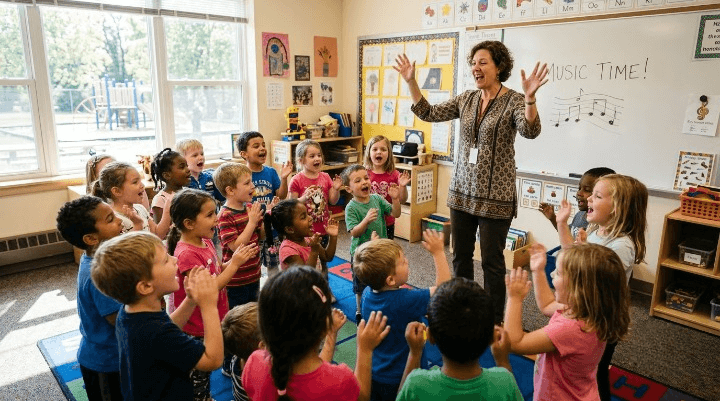
Kodály-based music teaching starts with the voice, not an instrument. Children sing folk songs, clap rhythms and play listening games for months before notation is introduced, building an internal sense of pitch and timing that everything else is built on top of.
Violin vs Piano: Which Is Easier to Learn First?
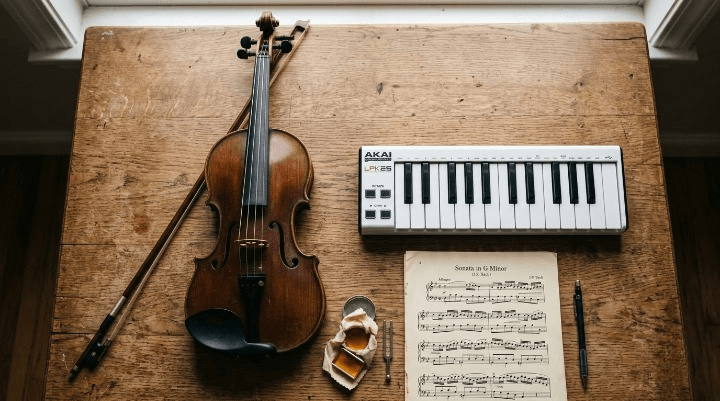
Violin vs piano: which is easier to learn first? Piano is generally the easier starting instrument, because it produces a correct, in-tune note the moment you press a key, while violin asks a beginner to create the right pitch themselves, with no frets or keys to guide them.
Questions to Ask Before Booking Piano Lessons
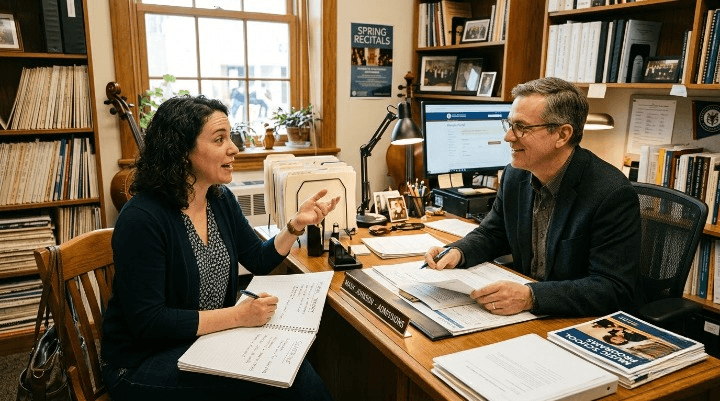
Before booking piano lessons, it’s worth asking about class size and grouping, teacher background and DBS checks, how a first lesson is structured, what practice is expected between sessions, and how cancellations and term breaks are handled – five questions that reveal far more than a price list ever will.
How to Choose a Music School for Your Child
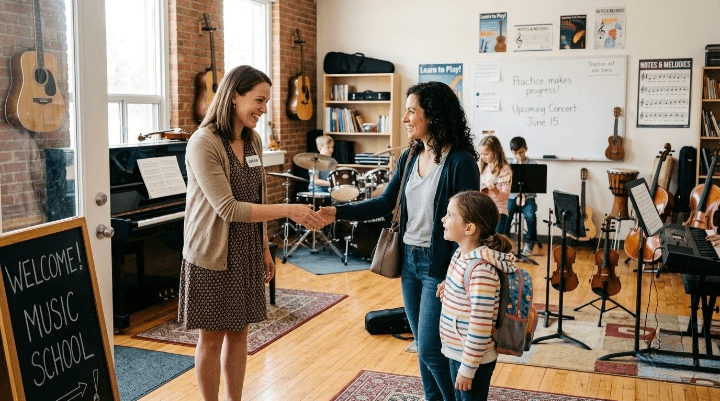
How do I choose a music school for my child? Look past the prospectus and check four things directly: how classes are grouped, who’s actually teaching, what a trial lesson looks like, and how progress gets communicated back to you as a parent.
ABRSM vs Trinity Exams: What’s the Difference?
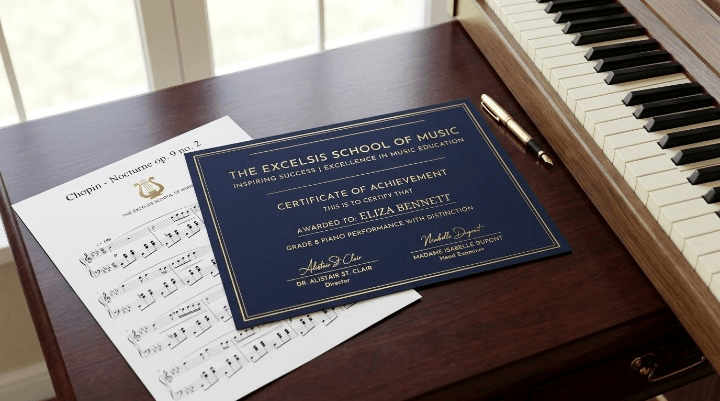
The difference between ABRSM and Trinity exams is mostly about emphasis: ABRSM leans more heavily on technical exercises like scales, while Trinity gives more marks to the pieces themselves and offers a slightly more flexible route through supporting tests, though both lead to grades recognised right across the UK.
Do You Need to Be Musical to Learn an Instrument?
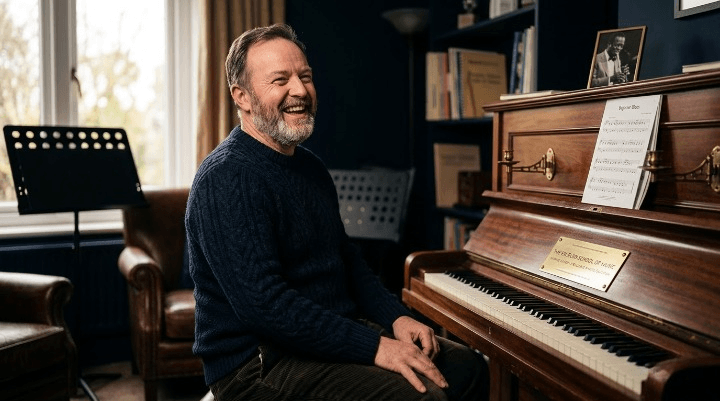
Do you need to be musical to learn an instrument? No – “musical” isn’t something you either have or don’t. Pitch recognition, rhythm and a feel for music are skills built through listening and repetition, and almost everyone who thinks they lack them simply hasn’t practised those skills yet.
What Instrument Should a Beginner Start With?
What instrument should a beginner start with? For most children and adults with no musical background, piano is the easiest entry point, because it shows you exactly what you’re doing – hit a key, hear a note, see how it relates to the ones around it – in a way that string and wind instruments simply can’t.
How Long Does It Take to Learn Piano?
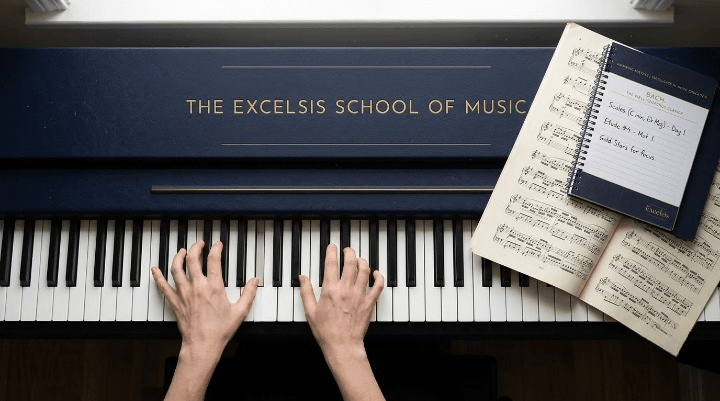
How long does it take to learn piano? With regular practice, most beginners play simple two-handed pieces within three to six months, hold a basic conversation with sheet music within a year, and reach a genuinely confident, independent standard somewhere between three and five years.
Kodály vs Suzuki Method: What’s the Difference?
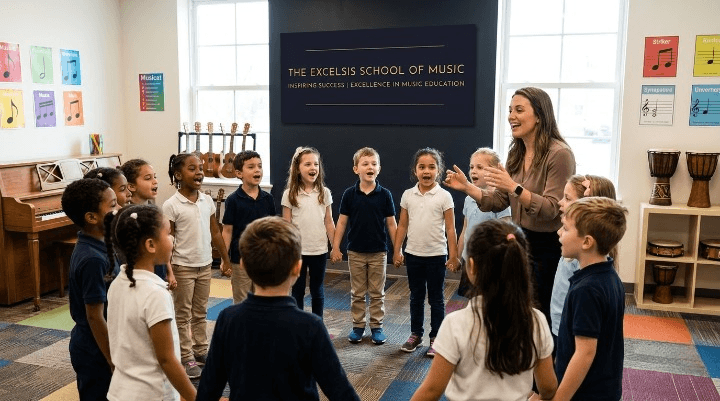
The difference between the Kodály and Suzuki method comes down to what each one asks a child to do first: sing and internalise music before touching an instrument, or start playing by ear from lesson one, surrounded by constant listening at home.
Is It Too Late to Learn an Instrument as an Adult?
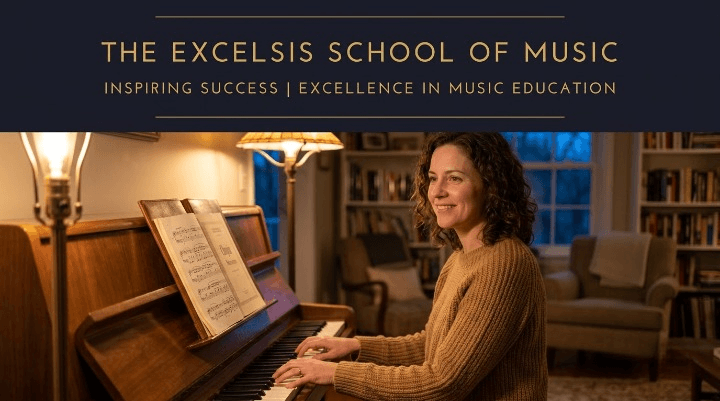
Is it too late to learn an instrument as an adult? No. Adults pick up an instrument every term, and most of them get further, faster, than they expect – because they practise on purpose rather than because a parent told them to.